Mold remediation and air quality testing in Allentown
Musty smell, visible growth, or a leak that sat too long? We contain the area, remove affected materials and fix the moisture problem behind it.
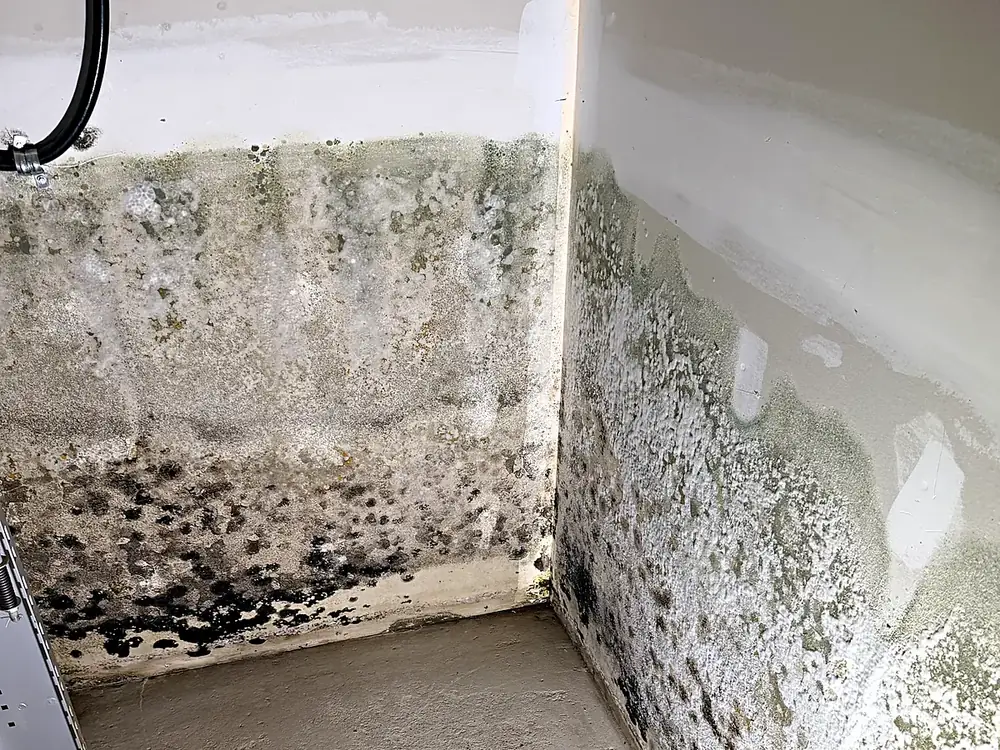
Think you have mold? Do this first
- Don't scrub or spray it with bleach. Disturbing mold releases spores into the rest of the house.
- Keep the area closed off and turn off fans blowing through it.
- Look for the water source. Mold always comes back if the moisture isn't fixed.
- Call us at 484-425-3578 for an inspection.
What mold remediation includes
Mold removal only lasts if the moisture problem is fixed too. We handle both.
- Inspection and moisture mapping
- Containment to keep spores from spreading
- Air filtration during work
- Removal of affected drywall, insulation and materials
- Cleaning and treatment of framing
- Fixing the moisture source
- Rebuild of removed materials
- Documentation for insurance where it applies
Indoor air quality testing
Air sampling tells you whether mold spore levels inside are higher than outside. It's useful before buying or selling a home, for landlords and tenants, and after remediation.
Is mold covered by insurance?
Mold caused by a sudden covered water loss is sometimes covered, often with a limit. Mold from long-term humidity or leaks usually isn't. Your policy decides. We document it either way.
Asbestos testing before you tear out
Older homes can have asbestos in floor tile, pipe insulation, drywall joint compound and popcorn ceilings. Damaged materials that might contain it should be sampled and lab-tested before anything is removed, so no one disturbs asbestos without knowing it's there.
Why test first?
Tearing out water- or fire-damaged materials can release fibers if asbestos is present. Testing first protects your family and our crew, and the results go in your claim file.
Most restoration companies learn insurance on the job. Our foundation is insurance.
Our techs have inspected property claims for insurance carriers. Every DryMaster job is documented the way a claim reviewer expects to see it, from day one.
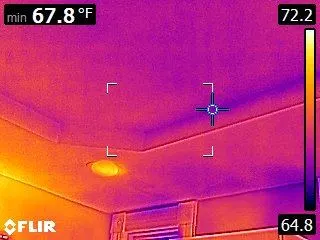
- Moisture readings and drying logsProof of how wet it was and when it was dry.
- Room-by-room photosBefore, during and after, labeled so nothing gets missed.
- An itemized estimateWritten in Xactimate, the same software insurance adjusters use.
- Help from first call to final paymentWe work for you, not the insurance company.
What customers say
Real reviews from homeowners we've helped.
“They not only guided me through filing an insurance claim but also made sure I felt supported every step of the way.”
“[The owner] was out to assess within hours of my reaching out… [He] was prompt, professional and just really nice!”
“Everyone who worked with me directly was so kind and advocated for my best interests even when it didn’t necessarily mean a better outcome for their bottom line.”
Common questions
How do I know if I have mold?
A musty smell, visible spotting, or a past leak that didn't get dried properly are the usual signs. An inspection and moisture readings tell you how far it goes.
Can I clean mold myself?
Small surface spots on hard surfaces, maybe. Mold in drywall, insulation or across a larger area should be contained and removed properly so spores don't spread.
Other ways we help
Water coming in right now? Call.
484-425-3578Not an emergency? Send the details. We'll call you back to set up a time.